As we were discussing on the other thread, this is where some basic instructions can clarify quite a bit, and where I think our current instructional stuff falls down a little. As you can see from this clip we put up recently, when you’re using wrist motion — which it sounds like you are (?) — any string change can be achieved from a mostly centralized setup without having to “switch” anything other than the motion the wrist is making.
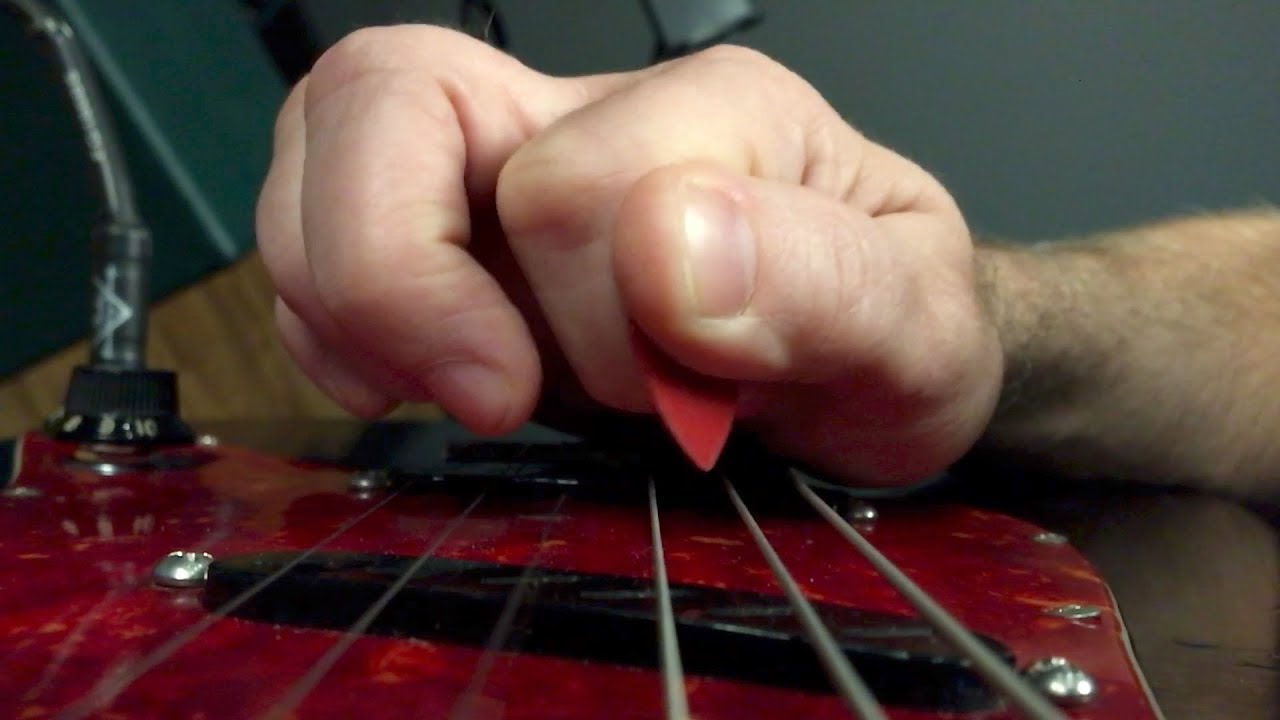
Are you using wrist motion, and are you using the same arm / hand contact points I’m using here, with both thumb and pinky heel on the strings or body? If so, then you’re good to go with all string change types.
Re: “rolling” of the arm. Pickslanting still applies because a downstroke escape motion and an upstroke escape motion are still slightly different motion paths. But the key here as they’re both relatively flat diagonal motions so the difference between is small.
We’re still figuring out the best way to teach this, but I would approach this with the mindset that you shouldn’t feel the need to change your arm setup too drastically. A small difference in wrist flexion/extension, as demonstrated in the Pickslanting Primer, is all it takes - just that when your motions are flat like this the difference in actual practice will be much smaller than displayed in the Primer. You do not need to achieve radically different arm positions to execute each type of phrase.
As part of finding that “centralized” arm position, I recommend trying all-downstroke escape phrases and all-upstroke escape phrases separately - again, while keeping the arm in relatively the same orientation. If you can find, by feel, the arm position that works for both then “crosspicking”, if you want to call it that, is nothing more than alternating the two escape motions back to back. And I wouldn’t even worry about that yet.