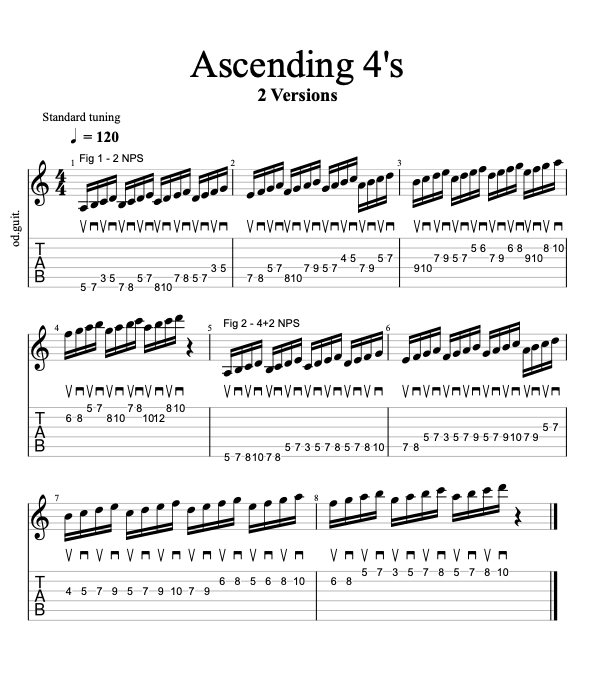
for 35 years I can’t figure out this patter. Take a 3 note per string scale and play in 4s (in C this would be C D E F, D E F G, E F G A, G A B C etc..
If I alternate pic this I have to constantly change the slant. Even if I hammer a note. Does anyone use this pattern and have a work through for it? yngwie uses something similar and via definitely uses it. Cheers all.
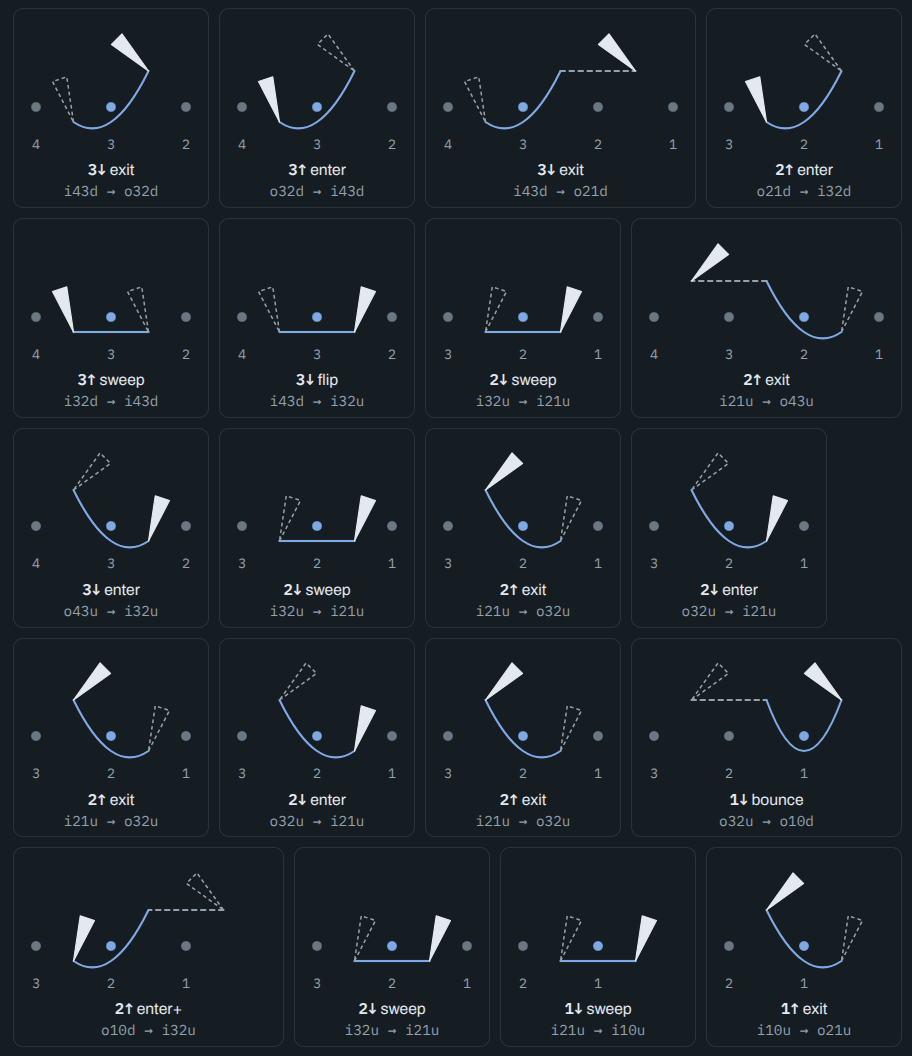
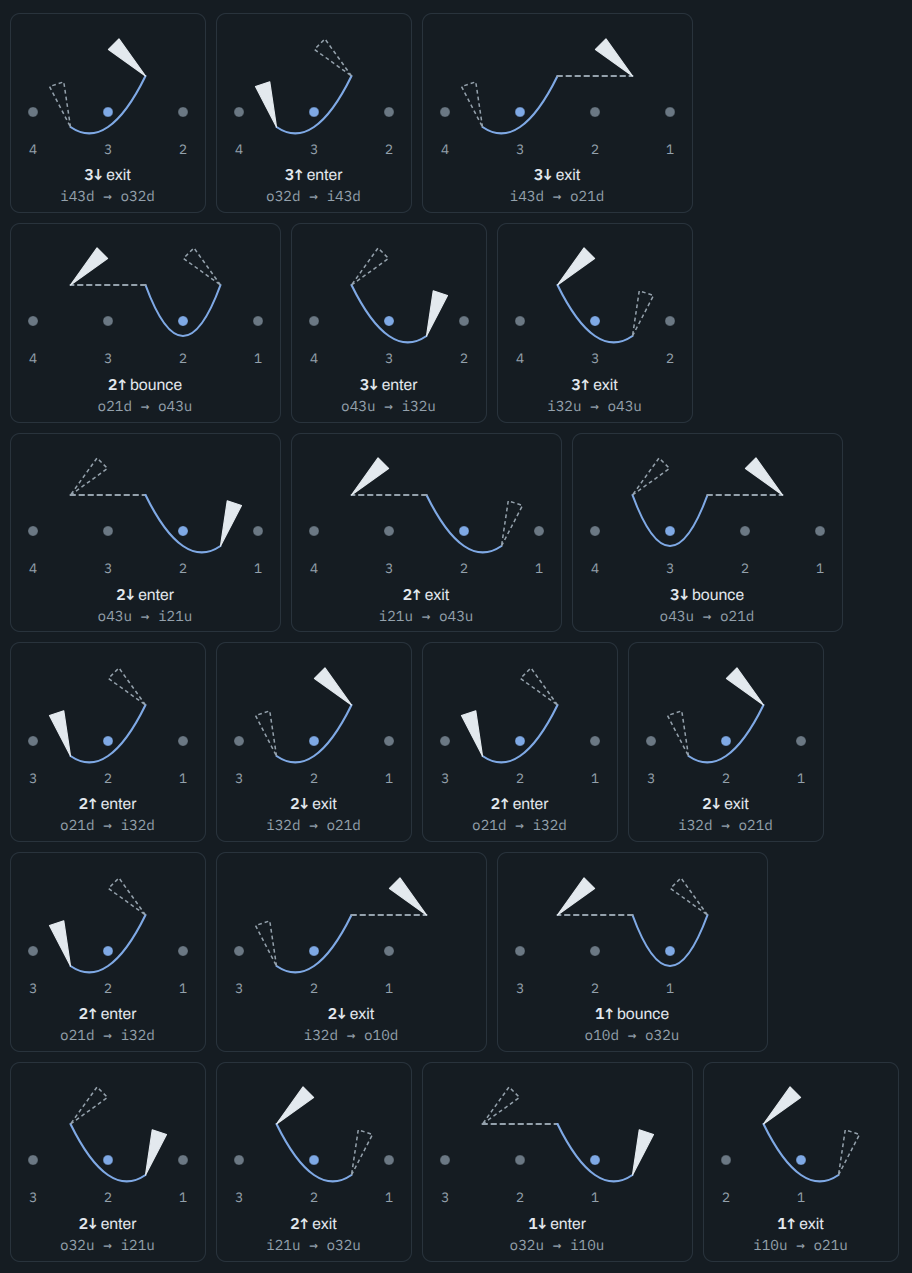
You can’t pick that with a single escape picking approach. You’ll have to use double escape, switch between upward and downward escape, or incorporate hammers and pulls.
To clarify, I mean that you’ll need to use multiple escape approaches when picking a pattern of fours across strings. But I’ve noticed that Yngwie and others often play this on a single string, shifting the left hand up or down the string as necessary rather than having to pick it across multiple strings.
And as for which approach people use, it comes down to what works best for them: double escape, switching from upward escape or downward escape to the other using helper motions, adding legato, etc. Which of these approaches works best for you in general?
Single-string does it for me. I also tried to deal with this over 3 note per string shapes but, in reality, I have never come across a musical situation where I needed to do that over more than an octave.
This is one pattern I practice every day. By ‘figure out’ do you mean be able to play it fast, 160 BPM+ sixteenth notes? Admittedly I don’t practice it at that speed. I’m still learning how to do it at fairly moderate tempos like 120 BPM sixteenths which in this website some people might regard as a sub-efficiency sort of speed, but which I still nonetheless regard as worth practising and getting better at. I use directional economy picking so everything is either a sweep or an inside string change, FWIW. At this point I’m not entirely sure whether it’s easier or more difficult than alternate picking, but I have so to speak ‘chosen my poison’ by going down the economy picking route and am sticking with it for the foreseeable. A lot depends on what it is you want to play.
yes, very very fast, I mean sextuplets at 120-150ish. I’m trying to figure out how to put a video up to better explain it. I find that if my fretting hand is strong I can ‘float’ the pic above the strings and they kind of sync if that makes sense but I want it yngwie clean.
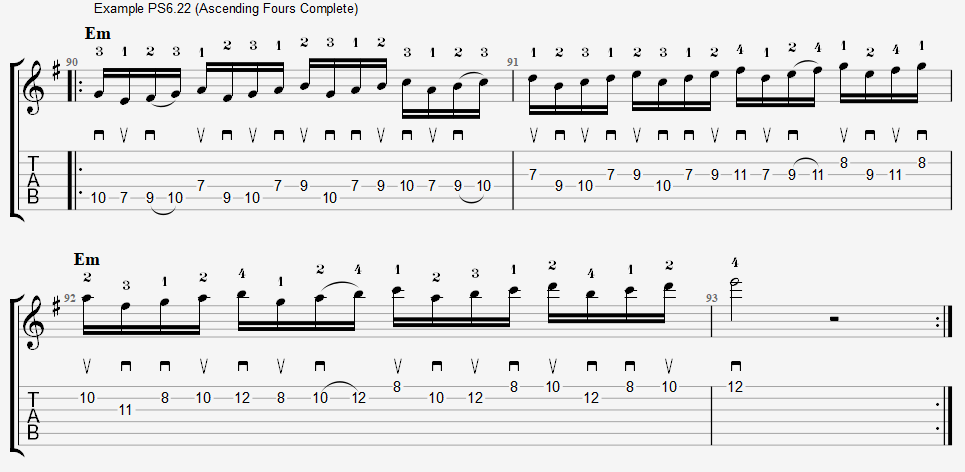
Yngwie’s own approach to ascending fours is often permutated with either 1 or 3 notes before the textbook fours, so I treat them as pickup notes from an incomplete set of four to start. The Lone Note Exception has to apply because there are places where both his even numbers alternate picking or ascending economy picking create a dead end - every time a single note on a higher string leads to a return to a lower string.
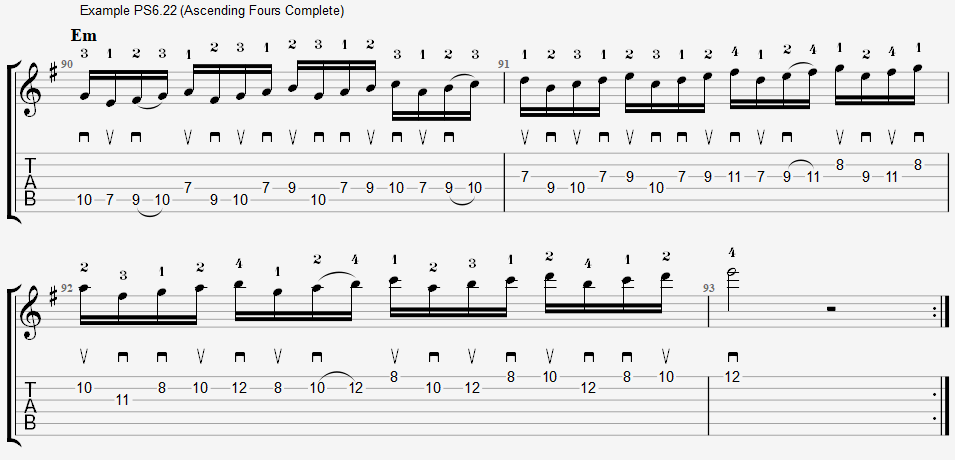
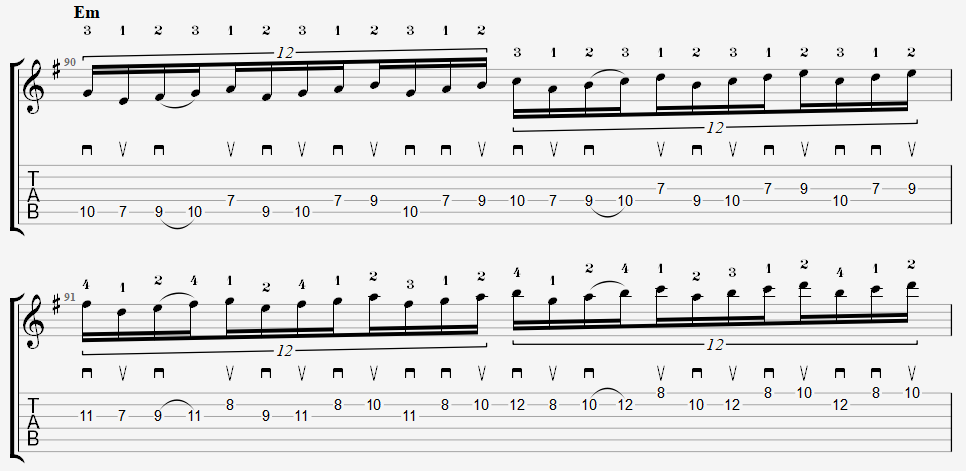
Here, ascending fours in E minor are preceded by one note (G) and the sequence repeats in 3 steps of 4 - every 12 notes, in other words. The mix of dynamics and pick strokes is what makes his fours sound different to alternate picking.
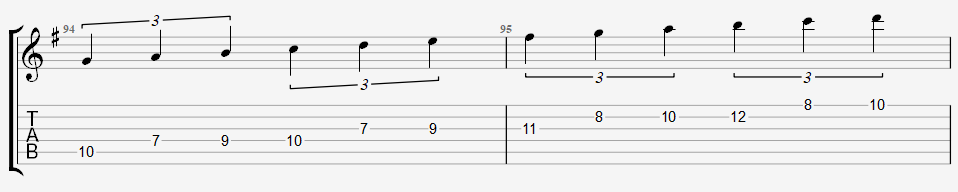
The full fours pattern is 12 notes, so you’d “feel it” as three pulses against two beats. It’s hard to count into and your definitely not accenting it as two groups of six, but if you establish the time with natural sextuplets (like sixes) you just need to transition to the fours at the same rate.
You can, of course think in sixes and notate accordingly, but this way of organising the thinking of fours as sixes was something I liked from the early Yngwie tab books because the sequences steps didn’t “cross the beams” in a way that would mess with what I’d already worked on.
PS, so instead of counting the beats 1-2-3-4 in your head, focus on 1 and three.
what a fantastic answer, thank you so much for commenting. This is the conclusion I came to. A note has to be hammered in order to keep the picking smooth. I find the sound better if I hammer the first 2 in the group of 3 (pic, hammer, pic) as using the little finger seems weaker and the pic stroke helped the not come out more.
This is gonna sound so stupid, but that helped me immensely lol. I’ve been doing the pattern across the neck and I would sometimes get lost, never thinking to group it into 3 sets of 4 notes.
I’ll definitely have to work on this as well… Not only the rhythm, but the Yngwie style of “high note, then 3 notes leading to it” is something I’ve never drilled.
I have a couple of “alternate picked” ways of doing ascending 4’s for my own single escape. Inspired by Marshall Harrison, I am thinking you could just start on a downstroke and these would work out just fine. Hopefully no typos in the transcription, and also hopefully helpful/welcome. Good luck!
it can also be done with simpler mechanics but in a slightly less efficient way, simply with exit and enter movements, plus some bounce movements which are less efficient