
Heya guys,
I’ve been inspired by @Joep36 to “rewrite” Eric Johnson licks so they fit my DSX style. It’s been super cool to play EJ stuff with a comfortable right hand.
Now I’ve run into something with my left hand. I started playing at 18 (16 years ago), but never really worked on proper technique. A violin player recently pointed out I have a lot of tension in my left hand, and my pinky tends to flail.
Lately I’ve been working on finger exercises to get more control. It’s actually fun, especially noticing how hard it is to keep the pinky in place.
My question is about patience and approach. At higher speeds (150 bpm for patterns, ~120–130 for lines) I fall back into bad habits. The exercises only feel “correct” at slower tempos.
So what’s the better move here:
- Keep doing focused exercises and let my soloing just improve over time?
- Or actively relearn licks with proper technique, starting slow?
For example, I’m working on the solo of EJ’s Austin —should I treat that as a slow rebuild and only speed it up once it’s clean?
Here I have a lick from Austin, and my pinky/hand is a bit out of control:
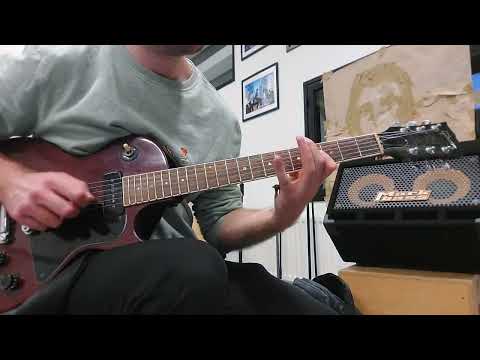
Here I play EJ’s Zap sixes, first fast (flailing pinky) and then slow (Forcing to keep my pinky close to the string)
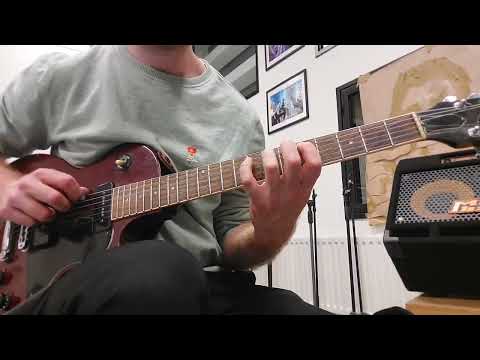
Curious how you guys approached this.
Cheers,

