General thoughts, because I’ve been mentioned a few times.
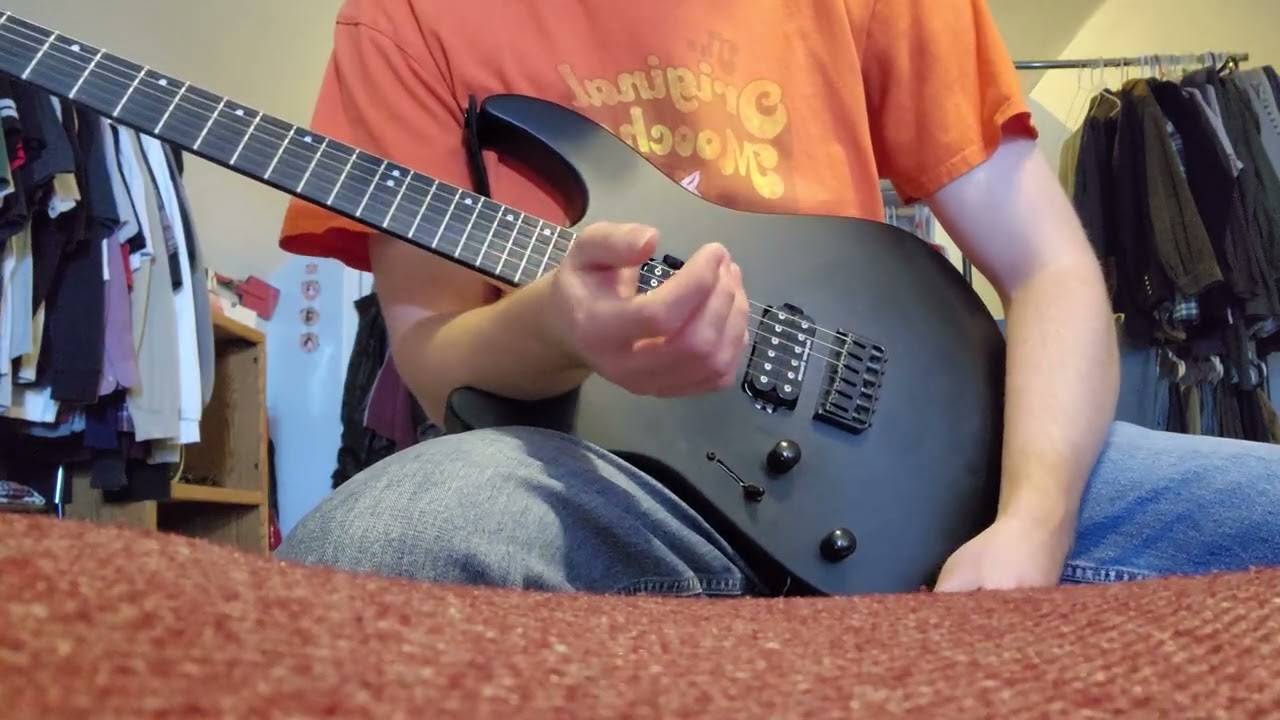
@gw12505, much of your hand sits outside the frame for most of your video. I can still infer what’s happening, but I would be more comfortable with a video where your entire picking arm is in view.
Firstly, hammer-ons and pull-offs are not equivalent. To perform a pull-off requires that the fingers extend at the MCP joint and flex at the PIP joint simultaneously. This requires the coactivation of an extensor (which depends on which finger is used) with a flexor called flexor digitorum superficialis (FDS). As the DIP joint can’t be totally slack, there must also be some contraction of another flexor callded flexor digitorum profundus (FDP). FDS allows for a little selective use of the individual fingers, but FDP allows for essentially none.
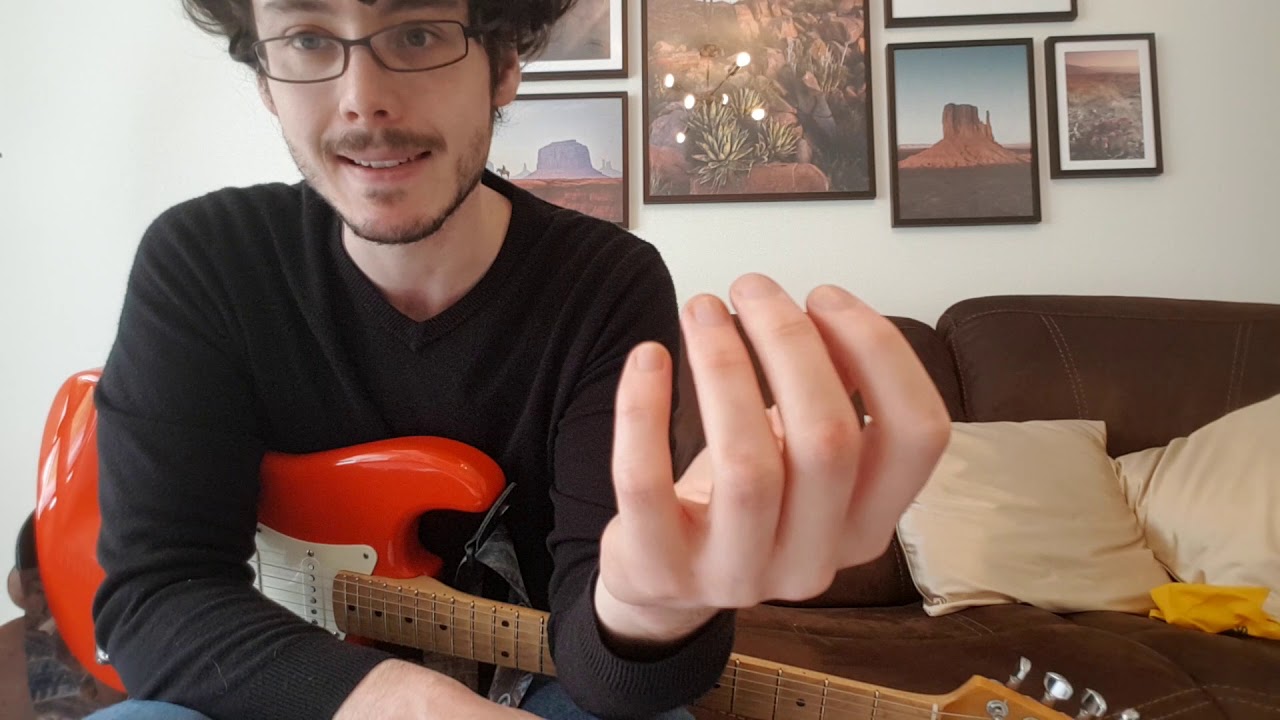
At 0:42 I can see that your position involves a significant difference in the relative extension of your 3rd and 4th fingers, with the 3rd finger more flexed and the 4th finger more extended, like a “D” shape. The discrepancy in this position requires the extensor for the pinky to pull against the stronger flexors. You also appear to have your pinky internally rotated, indicated overactivity of the hypothenar muscles.
I can’t be certain (poor video angle), but when you start playing, it appears that your 3rd and 4th fingers extend together while your 2nd finger stays flexed. This indicates an overactive extensor, but I can’t see the MCP joint of the 2nd finger so I can’t determine the exact problem.
Your pull-off mechanic between your 3rd and 4th fingers is inefficient. Your pinky is flicking up and out to pull-off. This can be useful situationally, but it involves a muscle being activated for both pull-offs and fretting or hammering, so it doesn’t allow an efficient hammer-pull cycle.
Generally, you want your pull-off to pull down towards the palm, so that your large knuckle extends (MCP joint) while your middle and small knuckles flex (PIP and DIP joints respectively). Then, we fret or hammer by reversing the action, the big knuckle flexes while the middle and small knuckles extend.
This hammer-pull cycle is more strenuous than the basic fretting cycle, but much less strenuous than what you’re doing.
Your descending diagonal run involves a different fretting posture than the examples you’re struggling with. You don’t apply it in those situations because you haven’t learned how to track across strings and positions reliably with that posture.
This is all fixable, I’ve seen students overcome worse, but you do need to retrain your fretting postures and your mechanics.
As @steve506 and @Drew mentioned, movement of the wrist and arm is critically important in fretting technique, it’s not all about the fingers.
Regarding @JAB’s suggestion of trills, I’m ok with it if done in a particular way with a particular set of goals. As @eric_divers mentions, you are absolutely guaranteed to have at least one combination which is anatomically disadvantaged. You have four fingers and three extensors (or only two, one muscle can be absent), there’s no getting around it.
If you practice trills slowly, allowing the movement of your wrist to facilitate the trill, and focusing on feeling how you can make the movements feel smoother and easier, then that’s fine. It will help you to develop awareness of your stronger and weaker finger combinations, and will help to improve your weaker combinations for situational use where they can’t be avoided.
Still, trills are inherently strenuous for the fretting hand, and most of the possible trills simply aren’t used frequently in real playing, so the benefit is limited. You absolutely should not aim to isolate all movement to the fingers or to bring all combinations to the same level. I would very strongly recommend against trilling to “build endurance” or to “increase speed” between all combinations. This is a situation where you could absolutely injure yourself.
There are mechanically more efficient methods of trilling (John McLaughlin’s and Marshall Harrison’s approaches) that are applicable in real playing and which are much less stressful on the hands.
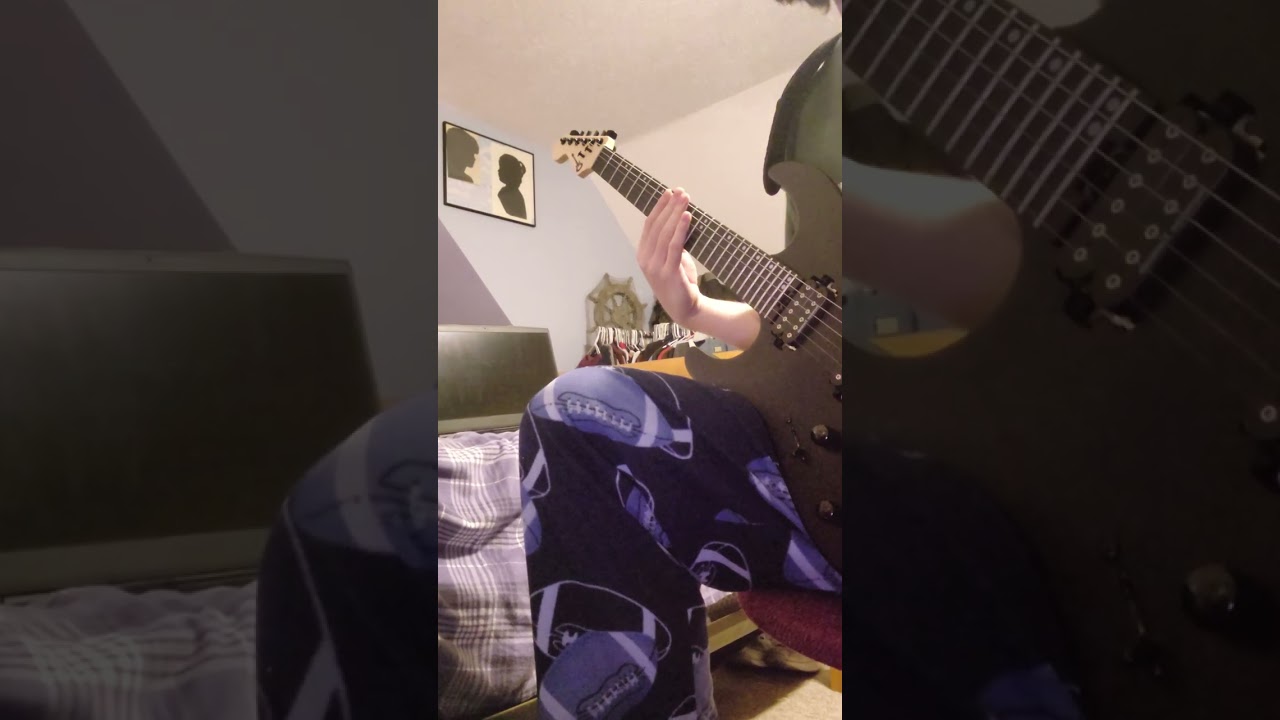
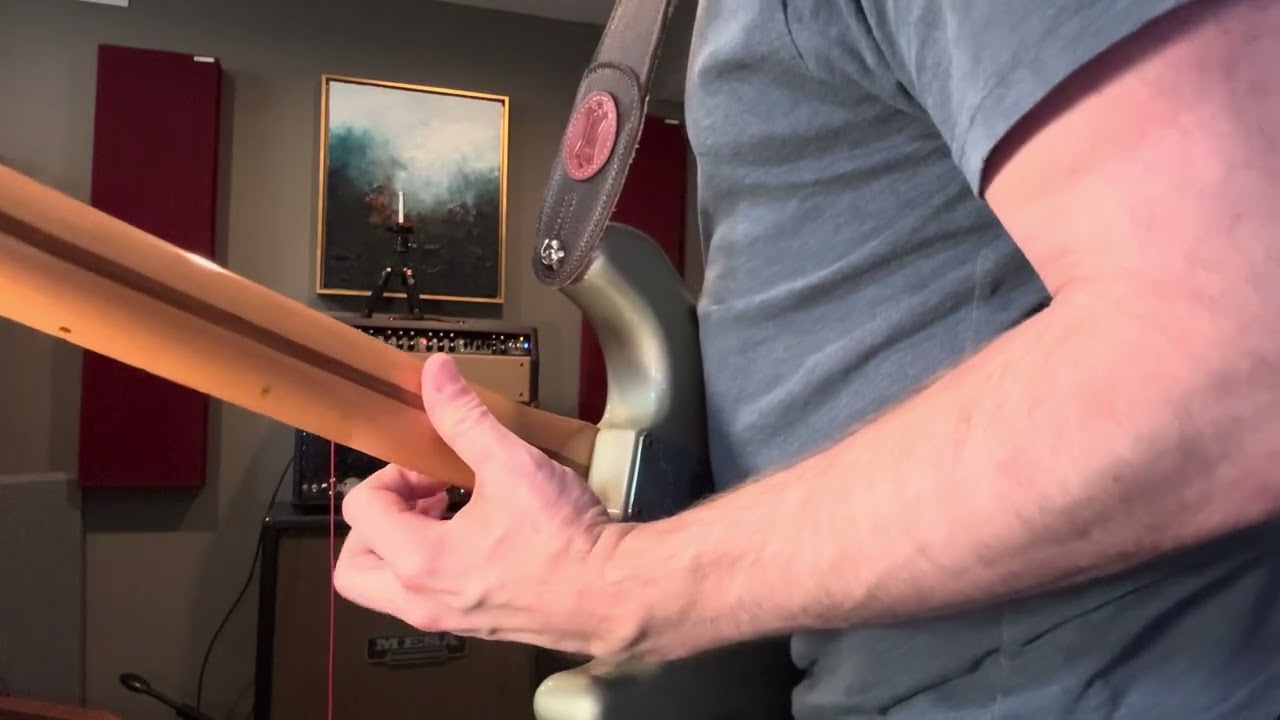

 . Not trying to disregard your help, though.