"Hit" songs with unusual chord progressions

NOTE: I’ll define a hit song as one having gotten a lot of radio play, many people have heard it, etc… you know what I mean. No obscure stuff. :wink:

I was listening to Enjoy the Silence from Depeche Mode the other day, and it occurred to me that there are two pretty strange things going on in it, especially for such a successful song: first, the verse features two minor chords a minor third apart (chromatic mediant), and second, the chorus ends with a minor chord moving to a major chord a half step lower (I don’t know if there is a fancy name for this, though Jeff Loomis loves it). Such interesting harmonic choices!

What are some other big songs that dared to venture outside the realm of I IV vi V?
1 Like

no idea if this was a hit tbh

1 Like

if I can sum over the popularity of all of black metal, chromatic mediants are very popular :grin:

2 Likes

obligatory

I like the concept of chord progressions that are super favored by certain cultures and more exotic in others. The “Royal Road progression” is a famous one.

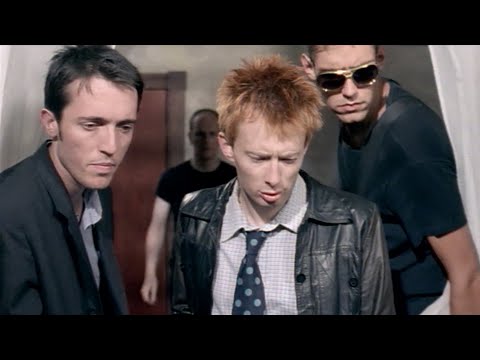
Karma Police by Radiohead is a pretty good example of interesting chord progressions. Verse switches between A Aeolian and A Doroian. Chorus switches to G Major, but the fourth chord is non-diatonic F#7 which could resolve to G or B, but doesn’t do either until the outro, which switches keys to some shifting combination of Bm and D major, but the progression ends on a sustained E major chord, which is non-diatonic.

There have been academic journal papers written about Radiohead’s harmonic choices. Here’s one.

1 Like

Yeah, Radiohead is probably going to be the king for my particular question. Lots of interesting things going on in many songs.

In “Just”, the verses use the aforementioned minor triad moving to a major one a half step lower. Maybe it was a Depeche Mode influence…

1 Like

Lazy answers to follow, but anything by Elton John, Billy Joel, Queen, The Beatles or The Who. Also many Eagles songs like Desperado or Wasted Time, or Hotel California even, have some elegant progressions.

1 Like

Rick Beato has a number of videos where he analyzes popular (and some not popular) songs with unusual chord progressions, so maybe check on his site.

I was a student at National Guitar Summer Workshop many years ago and one the instructors, Terry Syrek, was showing us some examples of old standards like ‘Roll Out the Barrel’ which have strange key changes and whatnot. It’s been too long to remember much, but you might look on his website too.

1 Like

Cool! Me too. Summer 1989

1 Like

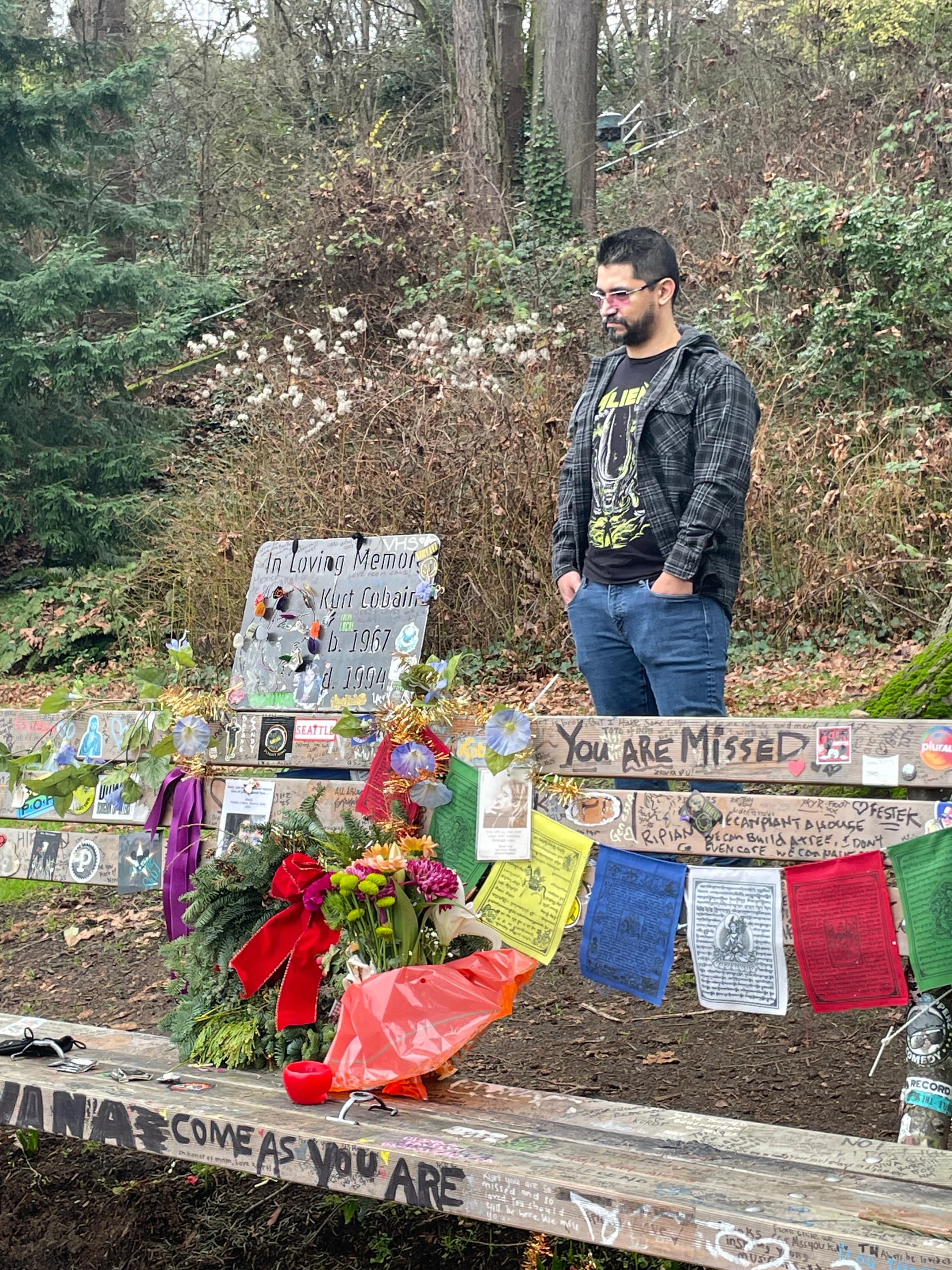
Probably an upopular opinion, but… a LOT of Nirvana deserves a nod here. :rofl:

3 Likes

I always associate chromatic mediant chords with Bond theme songs.

1 Like

Most of the grunge repertoire doesn’t make sense. It’s all about random major chords all over the place. :rofl:

Also, the king of chromatic mediant in pop culture:

1 Like
2 Likes

Power chords for one, but I disagree. Cobain downplayed it and certainly loved his punk, but he was a HUGE Beatles fan.

This is worth a watch:

Beyond that, something like “Lithium” - that brief dip into minor with the C in place of the C#, the timing there isn’t at all coincidental, it adds a LOT of tension as you move towards and then out of the end of that riff.

This is pretty cool, too, I actually didn’t know Beato had done a second breakdown of Nirvana’s music, but, well, Cobain has a surprisingly nuanced harmonic sense, and there’s a LOT more to their music than basing at power chords with maybe some odd chormaticism thrown in, and on/off dynamics.

Honestly, as crazy as this sounds coming from a guy who likes playing a million notes a second, I’ve been thinking a LOT about Nirvana these days while writing, arranging, and mixing this album I’m chipping away at. There’s a lot of cool stuff going on in their music.

EDIT - it’s funny, too, because I completely disagree with him on those 4ths in the riff, I definitely don’t hear them. They may accidentally come out here and there from power chords, but not nearly to the extent he tries to show them.

2 Likes

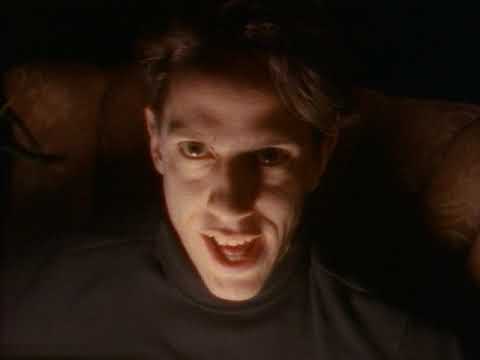
I don’t know how well known this song is in the US, but this was a major hit in the UK and Ireland. Some pretty cool borrowed chords in the progression.

1 Like

I’ve never heard this before… but what a wonderfully bizarre video. :rofl:

1 Like

I never heard it, and it didn’t seem to chart in the USA. Coffee & TV - Wikipedia

Yeah, it didn’t chart in the USA, I was also unfamiliar with it.

1 Like

OMG how could I forget fourth best trilogy ever. :sweat_smile:

I wasn’t expecting my comment to be taken literally. :sweat_smile: But just to entertain the conversation, you’d be surprised by how important those thirds are for the grunge sound and its pseudo-randomness.

Also, about Cobain, yeah, his biggest talent probably was that prodigious ear to find banger after banger in stuff that only made sense after he played it with the right attitude, which also makes the “formal” study of grunge music very tricky because, well, it only needed to sound cool regardless of how much “sense” it made, musically speaking.

RIP KC

2 Likes

I probably wouldn’t be surprised at all. :rofl: They’re not always in the chords (sometimes, sure) but they’re often in his melodies, and he had a hell of an ear for melody. Big Beatles fan, making him a little bit of an anomaly in the punk/metal grey area where Nirvana sort of came together.

If you haven’t seen that Beato video on Smells Like Teen Spirit, i’d strongly recommend it for two reasons - one, an awesome deep dive on how Grohl pushes the beat, and two, he runs through the harmonizations implied by the vocal melody over the chords, and it’s cool as hell.

3 Likes

Love that deep dive! It’s an interesting look into the rabbit hole of Nirvana’s music and grunge in general.

I’ve always been curious about how Cobain arguably killed the whole shred scene because the kids of the time just wanted to be loud and angry, whereas being a virtuoso didn’t seem as cool as 5 years before the grunge boom. The thing is that many people reduce the discussion to EVH being replaced by a guy who “couldn’t play” but there’s a lot more than meets the eye/ear.