Pick Wrap-around vs pronating forearm to achieve DSX or DBX

So when doing USX, which is my natural instinctive picking technique, I have the bony part of my hand on the bridge, and that gives me a natural downward pickslant. On Troy’s primer in pickslanting for double escape, discussing the 0 degree slant, he says to wrap the pick around your index finger, so it gives it an upwards pickslant in order to do DBX and further to do DSX. However, aside from finding this unnatural and awkward feeling, when I do this I keep the same anchor point in my hand, but end up using a different picking motion. So instead of down-picking in motion of 10-3 o’clock, I change motion to 8-1 which is more of that flexion knocking motion. So when doing the wrap around, not only does it feel really weird to me, and I’m not sure if I really like it, the picking motion has also changes each time I switch.

The thing I query is that the only resource I can see which shows this wrap-around picking technique is Troy himself. I can’t actually see anyone else who does both upwards, downwards, or double escape doing it. For people who do double escape, to me it doesn’t look like they are wrapping their pick around, and the people who do two-way pickslanting don’t seem to wrap their pick around when they change from USX to DSX. What I notice, and everyone I’ve watched seems to do it a very similar way, is that when playing USX, the pick is in a relaxed grip, the bony part is on the bridge, and they can pick with a supinated forearm. Then when they go to change to upwards pickslanting, they rotate their forearm to pronation, so that the fleshy part under the thumb, is resting on the strings or on the bridge. In the primer Troy says not to do this, despite it being the motion that most people use.

In doing it this way you have a different reference point but you’re using the exact same motion to do upwards pickslanting as you are when you do downwards pickslanting. It’s still a 10-3 motion in the wrist, just rotated towards pronation. So what I don’t understand is why Troy’s saying to use a grip wrapping around the index finger, so part of the pick is on the fingernail of your index finger, to achieve upwards pickslanting, when the majority of people seem to do forearm rotation, which he says is bad.

Then if I look at people like Andy Wood, again, even if slightly supinated, when he’s doing double escape, it still seems almost as if it’s flat, not in significant supination. So the way I’ve found that feels natural to me, would be to imagine it as:
USX > arm is supinated,
DSX > arm is pronated,
and double escape > forearm is in the middle of those two.

So why does he say not to do this, when it’s what people do? Should I be practicing what comes naturally to me, or practice the wrap around grip until it stops feeling weird?
I’m a DSX player who uses a LOT of pronation and I like the way it feels.

Also, don’t take Troy’s or anyone’s word as the absolute truth. What makes this community special is that everything is based on evidence rather than dogma so the content and technique concepts evolve over time.

1 Like

Any picture of this “wrap-around” picking?

I thought that might be the case, but when he’s saying, “don’t pronate because you’ll lose your ergonomic mouse style position”, I take that as: Don’t learn to pronate because you’re learning something that won’t work at speed or may give you RSI one day.

On a side note, can you do palm muting with this pronation (radius side on the body) position? Given that the karate chop portion of the hand is in the air instead of on the strings.

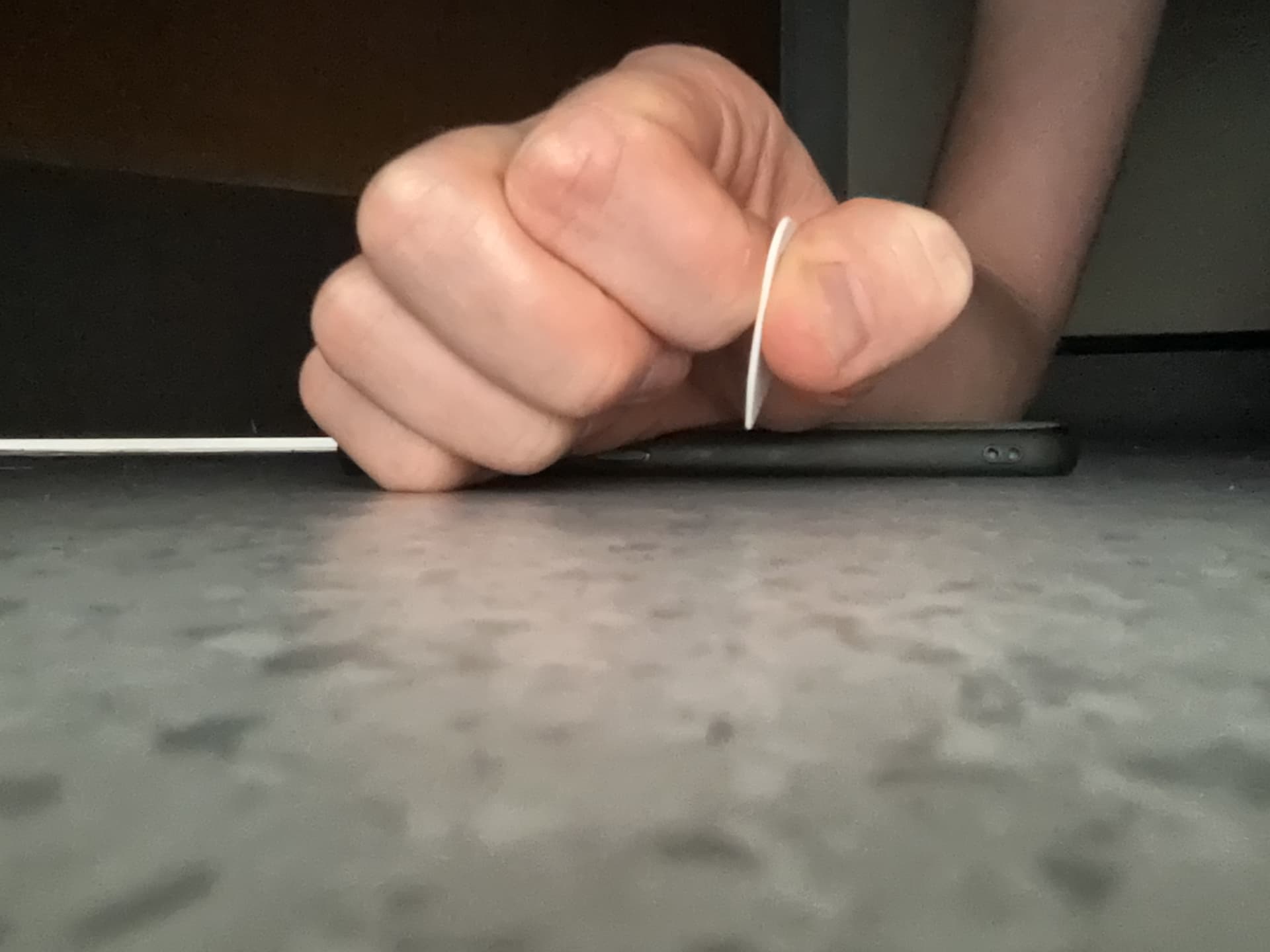
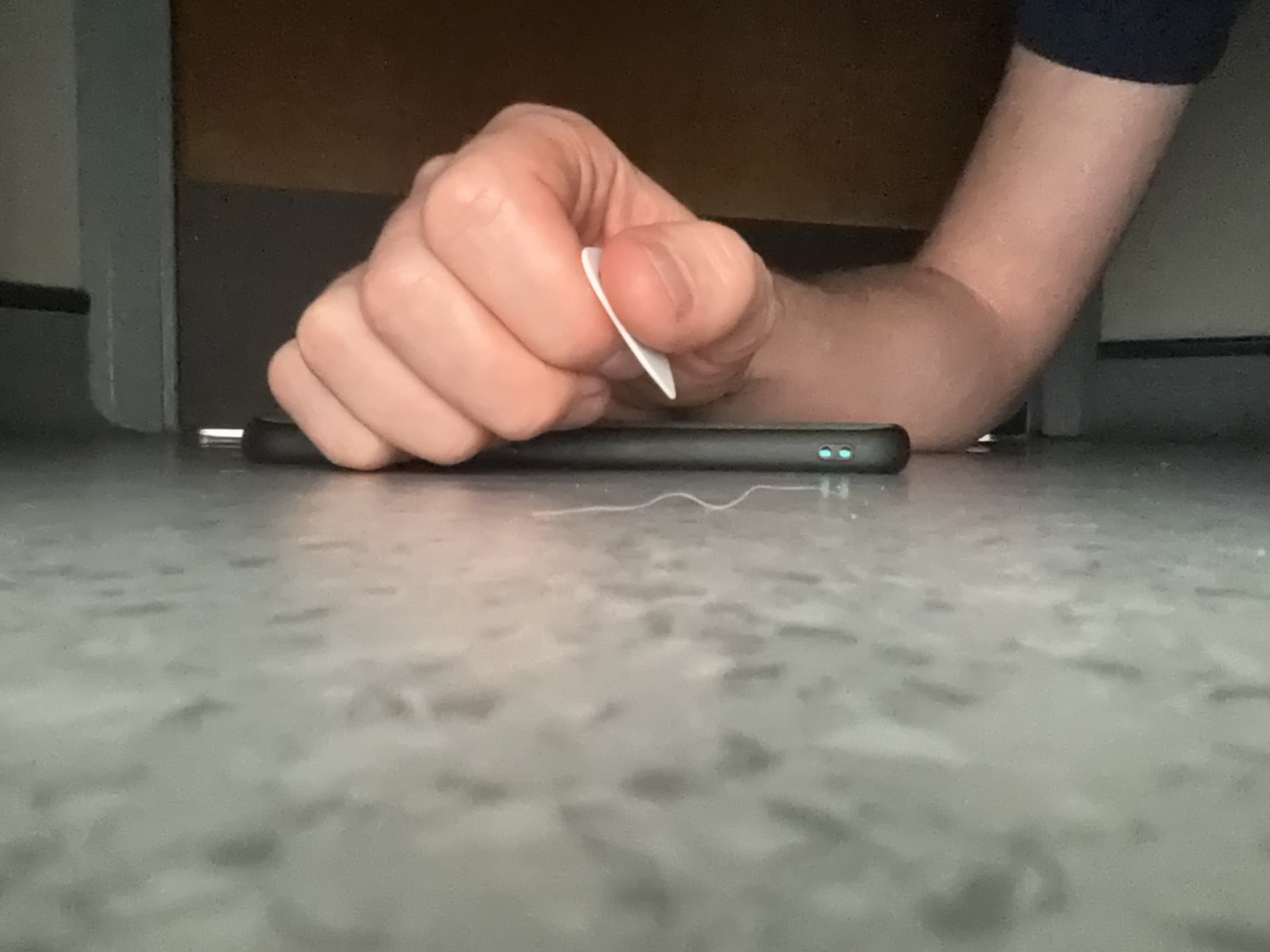
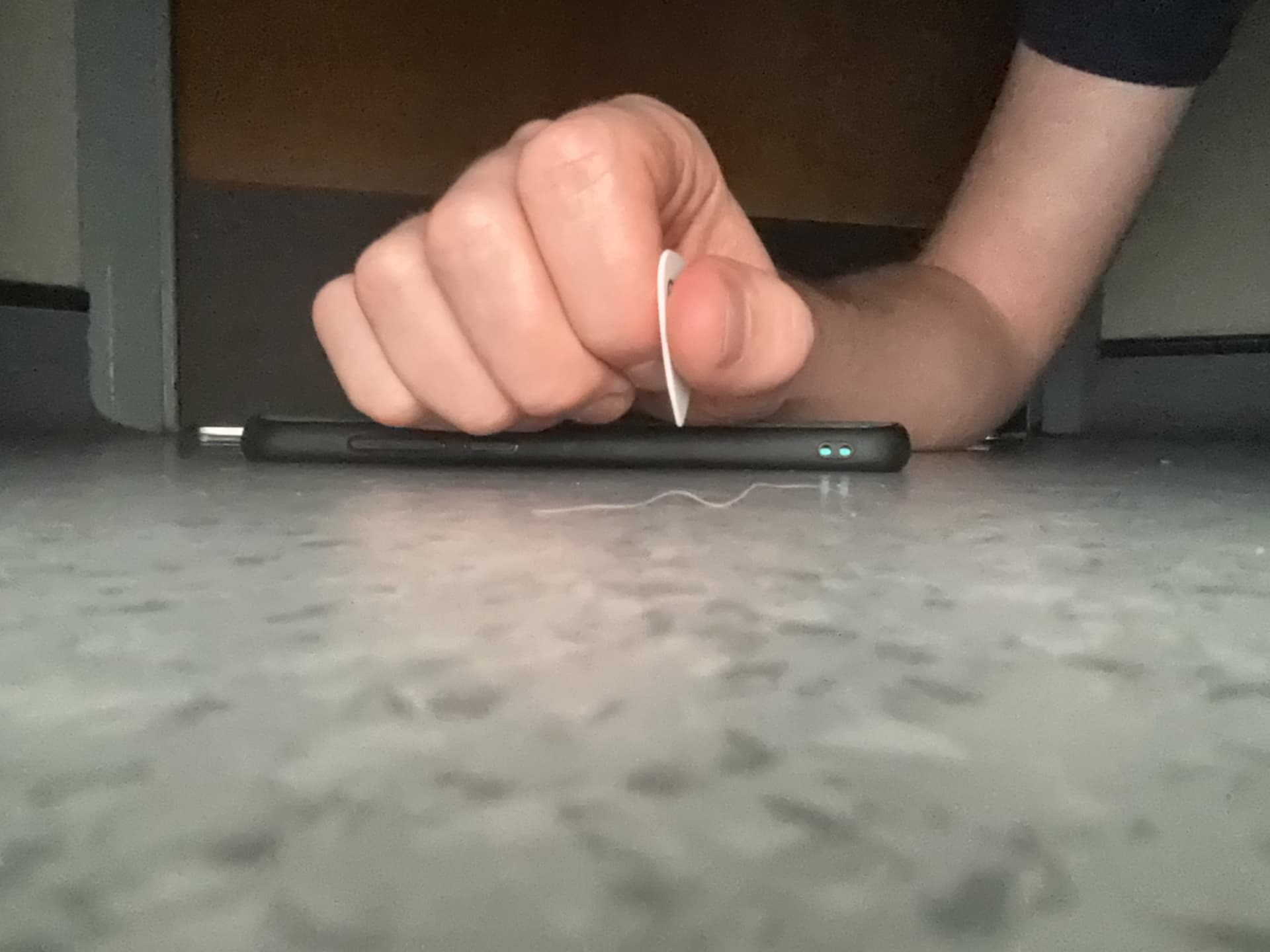
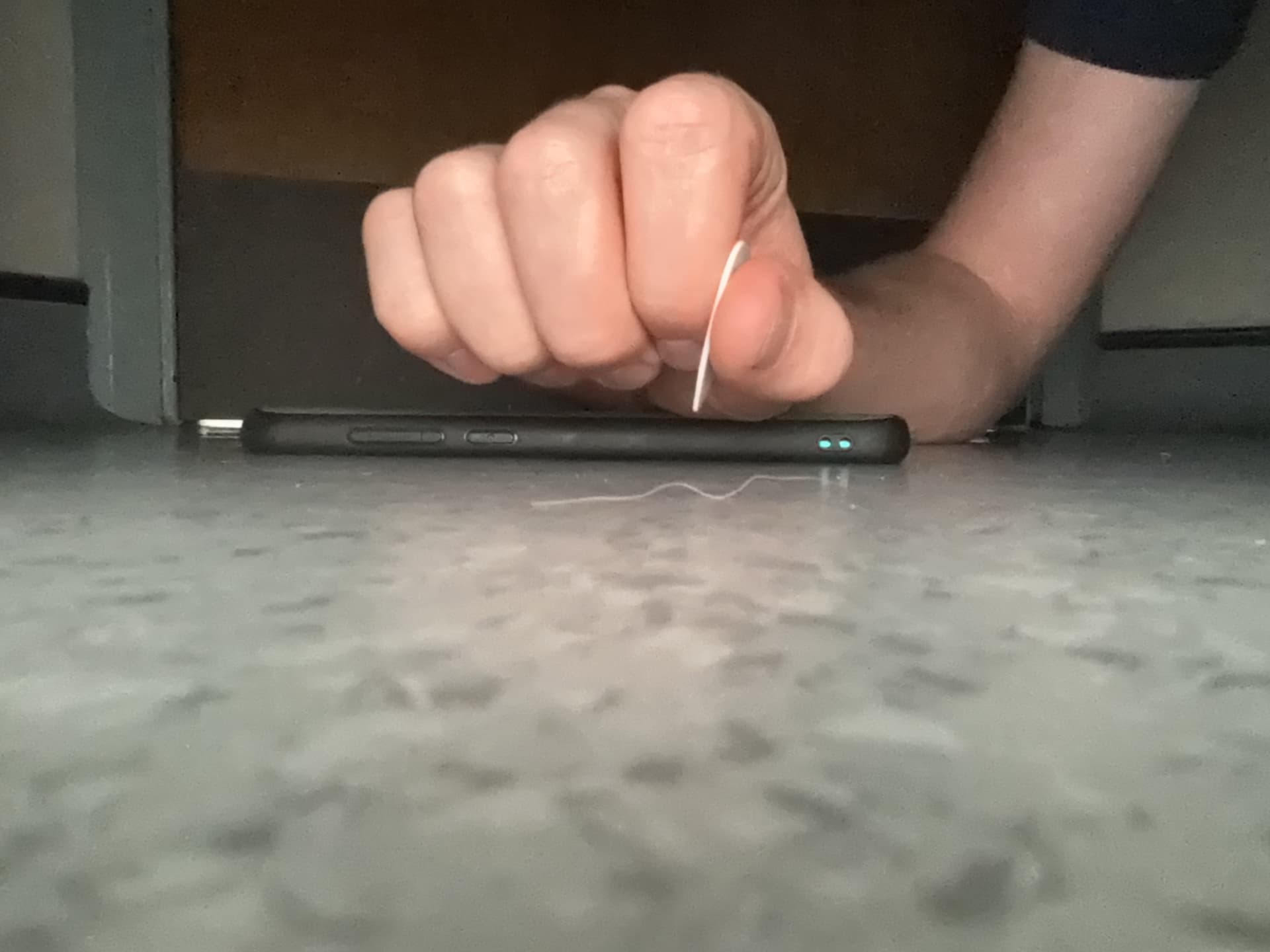
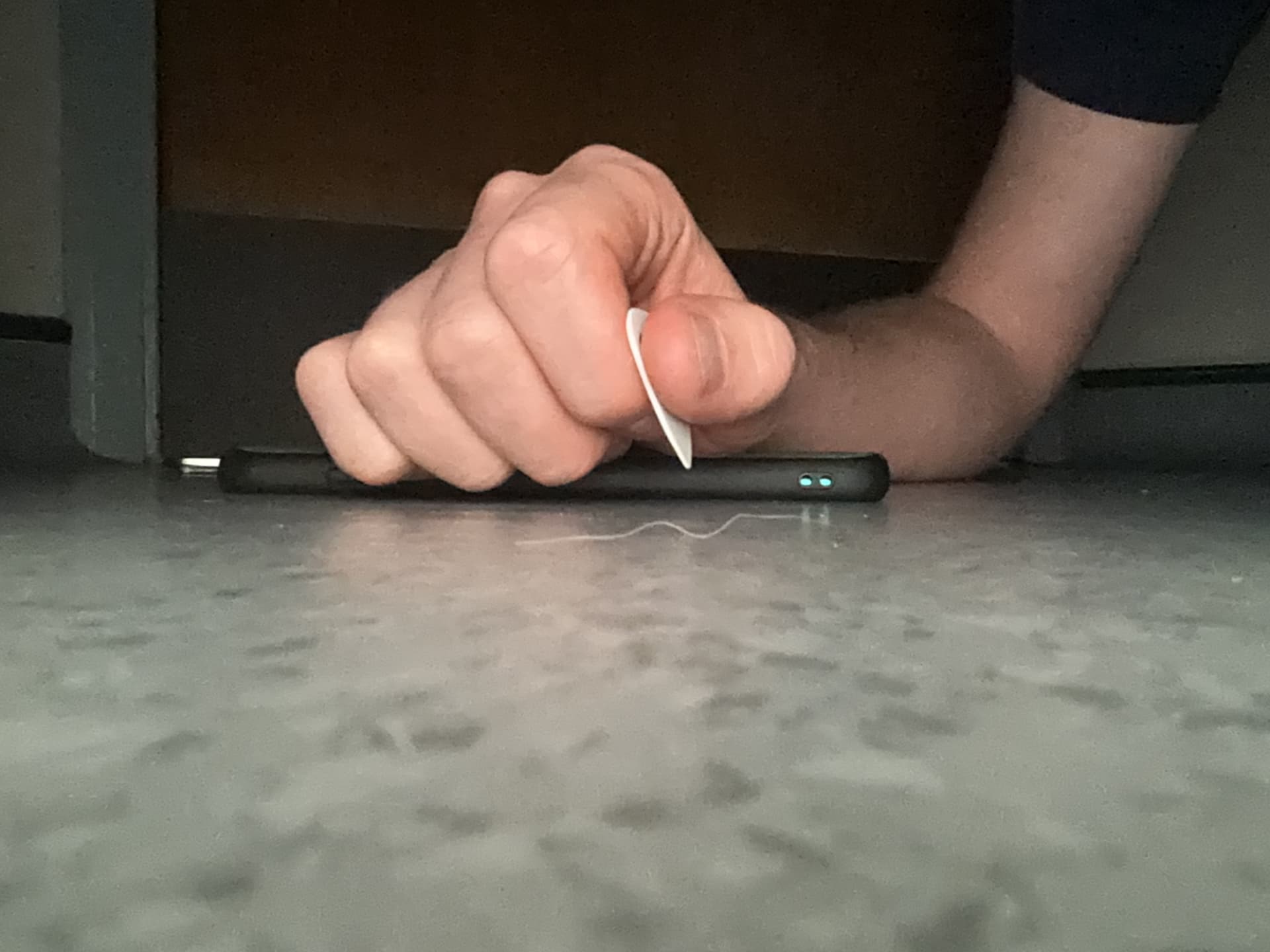
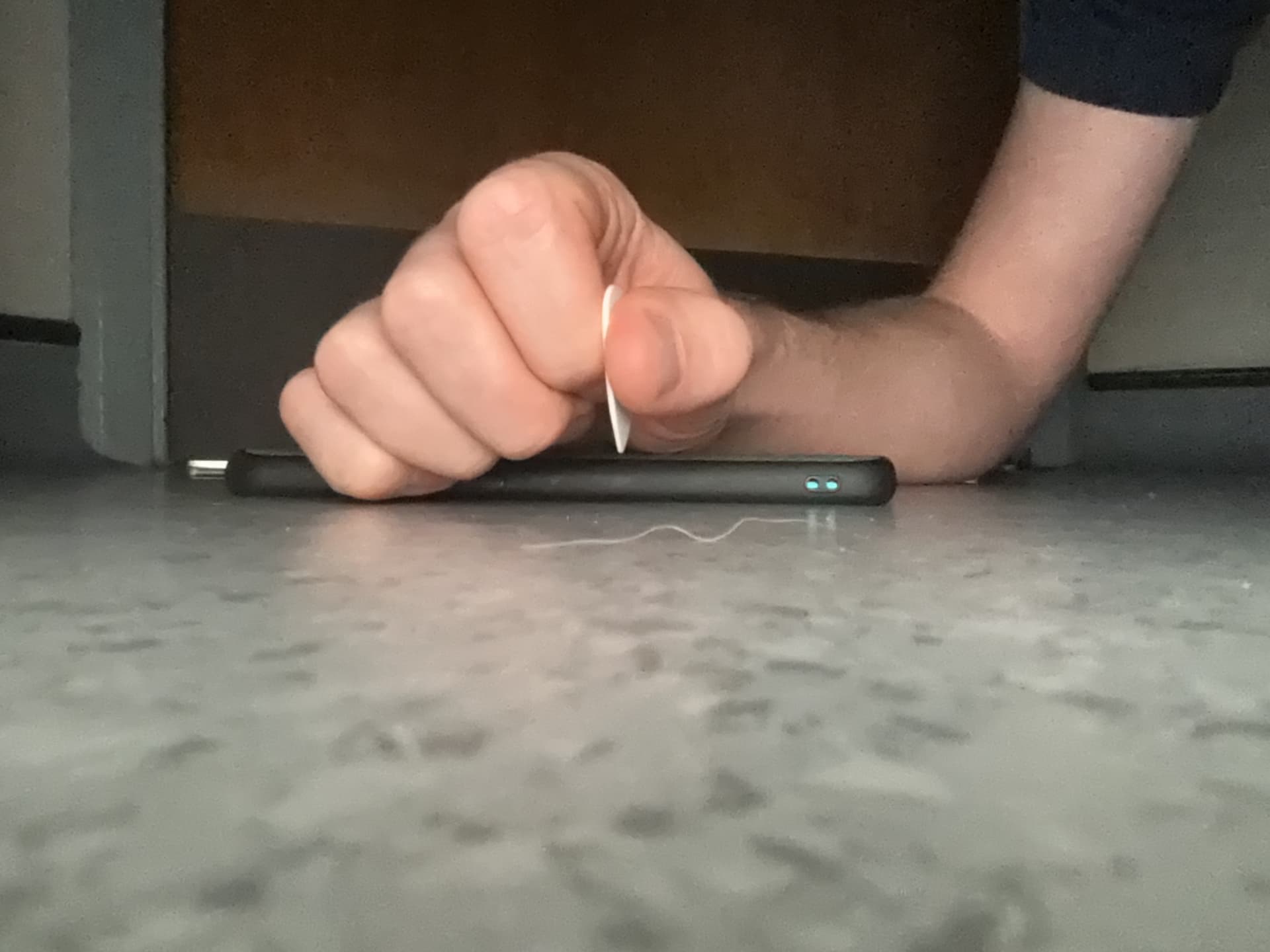
Bear with me, I don’t have a guitar on me as in hospital at the moment. Here are some poor photos on my imaginary one:

My USX:

Pick wrap advised for DBX:

A little more for DSX:

The position and anchor point stay the same, the underside of the forearm is visible so in supination, for all.
But, I haven’t seen anyone do this in practice yet. Everyone else does:

USX:

DBX:

DSX:

Which feels easier to me, but was recommended against in the grips section of the primer. Note the underside of the forearm is pronated and thus no longer visible. Therefore no longer ergonomic.

There are a few other methods I’ve seen, such as shifting the hand to point towards the ground for DSX, and at a diagonal for USX, but those seem a little too big of a movement to change easily during playing. I’m leaning towards the pronation method, but if it was recommended against using because it’s not ergonomic like the USX is, then I want to find out why that’s bad.

1 Like

Can you tell us exactly which section of the primer you think is saying not to pronate when using DSX?

That would be in “pickslanting for double escape”, it’s in a section discussing wrist picking technique. He starts in the videos before showing how USX gives you a natural ergonomic mouse position. Then he’s discussing the 0 degree slant for DBX playing on one note per string or bluegrass playing, he says to wrap the pick around your index finger and not to pronate like most players naturally do. Then shows pick wrapping in the middle of the video to give an upwards pickslant in order to do DBX and a little further to do DSX.

Exactly under Picking motion tutorials > Reverse Dart Motion > Chapter 2 pickslanting for double escape.

1 Like

I don’t see an implied injury warning there rather than “don’t pronate because what I am explaining requires supination and you’d be doing the opposite of it”.

Keep in mind that Dart Thrower is just the pronated version of Reverse Dart Thrower.

I think you mean that it doesn’t look like the ergonomic mouse position. It does not mean the pronated position is not ergonomic. The mouse thing is just guidance to exemplify what he’s doing which does not imply there aren’t 99 other healthy and fast ways of playing.

1 Like

Then he’s discussing the 0 degree slant for DBX playing on one note per string or bluegrass playing, he says to wrap the pick around your index finger and not to pronate like most players naturally do.

He doesn’t say you have to wrap; he gives that as one way to achieve edge picking with a zero degree pickslant. He then talks about using less or no edge picking, using less or no thumb wrapping.

Then shows pick wrapping in the middle of the video to give an upwards pickslant in order to do DBX and a little further to do DSX.

? The pick wrapping is to get a 0 degree slant, not an upward slant. You just said that in the sentence before this one. Where are you suddenly getting that it needs an upward slant?

I’ve just rewatched that section and he doesn’t tell you to get an upward slant, and he definitely doesn’t tell you to use that and not pronate when doing DSX. You might want to watch it again and review.

I think I might be starting to get it. USX in supination is reverse-dart motion. The pronated DSX position is dart motion. And the flatter DBX is an arc motion sort of between the two.

Meaning it’s actually fine to do it pronated, he’s just trying to get you to try out a different motion to see if you can get the same result another way. So if I’ve been trying to get it for 7 days and it still dosen’t feel right, then it’s time to move on to another way of doing it.

This is not necessarily correct, and it’s all pretty complicated. But if you supinate your arm, and then do RDT, your upstrokes will have a strong component of flexion to them. This doesn’t really bode well for USX - slight RDT plus mega supination, maybe it can work, but generally I think USX wrist players are much closer to deviation or slight DT, especially if the forearm position is closer to flat or lightly supinated. It is those motions that are naturally sending the hand in the correct direction, not RDT, unless some other joint is coming in to save the day (forearm rotation, rotator cuff, etc).

As for the wrapped pick grip, I think this was just Troy’s creative solution for trying to tackle the downward pickslant.

I think I might have taken that don’t pronate the forearm idea too literally, to mean “do not do it” rather than “try doing it with various solutions such as this and see if you can find one that works for you”.

The issue I found when I sat down and looked at why my own technique wasn’t working while downpicking or palm muting, was I used that USX grip but with a heavy amount of forearm rotation. So no wrist deviation at all. Just rotation up and down and wrist extension to get back out of the strings, as if funk strumming but it’s too much if doing downpicking.

I’ve been trying to learn to do that deviation movement without my forearm taking over, which has proved a challenge while also trying a different grip hold. If pronation DSX is a valid option it’s probably time to try that for a while and see if I can figure out palm muting and playing with more wrist and less forearm in play.

A Dart Thrower picking motion requires you to be pronated but the movement the wrist makes is the inverse of Reverse Dart Thrower, not just RDT on a different angle, or is that what you were saying? :slight_smile:

RDT is just a movement the wrist can make very fast, you could be supinated and achieve USX with just deviation (which isn’t as fast). Reverse Dart DBX kinda just feels like you are doing wrist deviation but the bottom of the movement is extended with RDT, it is helpful if you can do both movements separately before trying to combine them together and learn how that should feel (took me ages of banging my head against the wall).

Your arm can pronate slightly when you do RDT, my guess would be that Troy didn’t advise to do this because you become more likely to just use deviation rather than RDT. Also you can play with the grip a little, you don’t have to fully wrap but that will give you ‘maximum mouse’ (efficiency), I play with the pick very flat and still can achieve DBX.

Not quite. The dart thrower motion feels like you are throwing a dart away from you (eg. the floor, in my personal case). Reverse dart thrower feels like you are throwing a dart towards your own body (hence the “reverse”). Neither imply whether the motion is DSX or USX.

Yes, that’s what I meant. Words is hard sometimes. :rofl:

2 Likes