I think singing numbers is a lot more limited, in terms of what it can give the student, in comparison to the solfege. But it is definitely easier to ‘learn,’ in that there isn’t that extra step of converting the scale degree to a syllable.
If somebody is just dabbling, or curious about ear training and wants to get the hang of scale degrees over a period of a few months or so, I think starting with the numbers is fine.
But I do strongly recommend the (movable-do) solfege for anybody who wants to be able to ‘take it to the limit’ with practical ear training and sight singing.
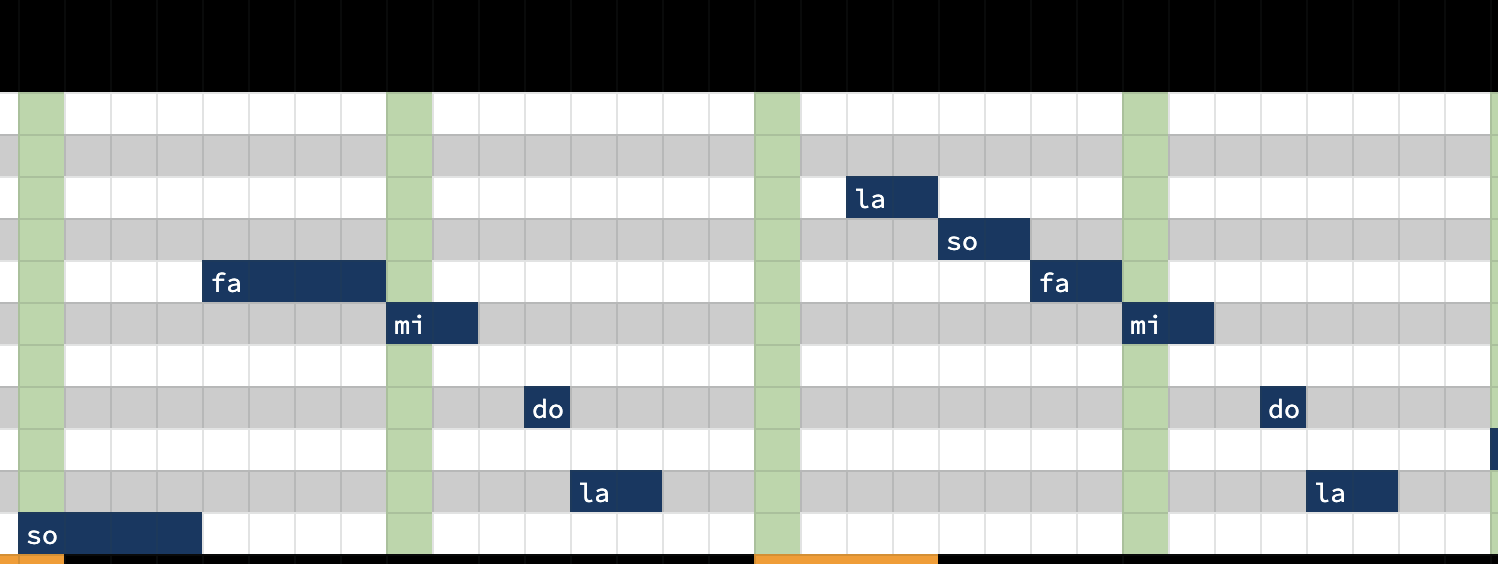
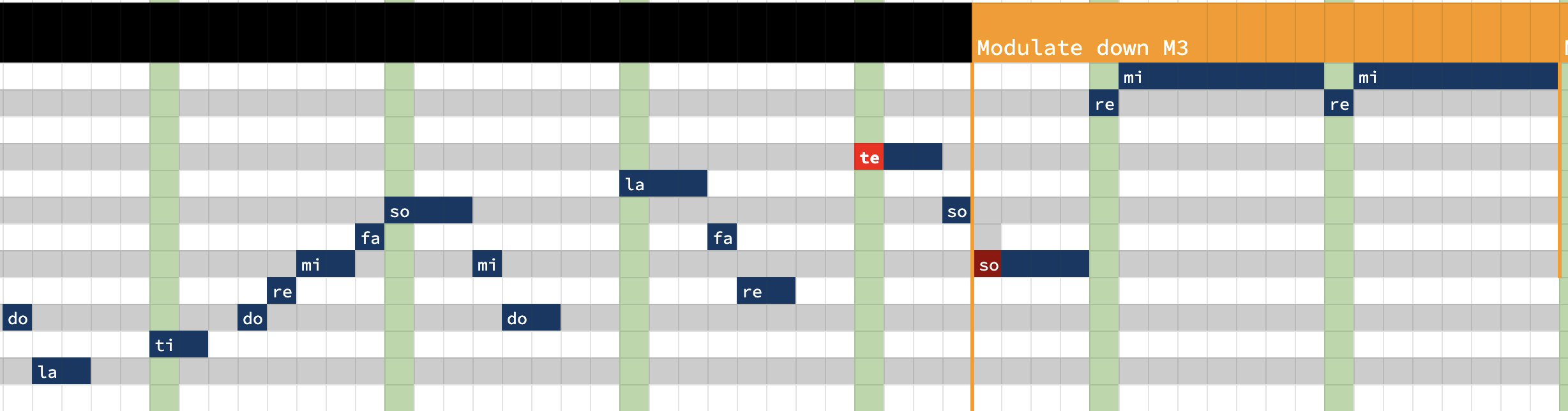
The reason isn’t so fancy or interesting, but it’s significant: one syllable per note means we can sing the melodies with the correct rhythms.
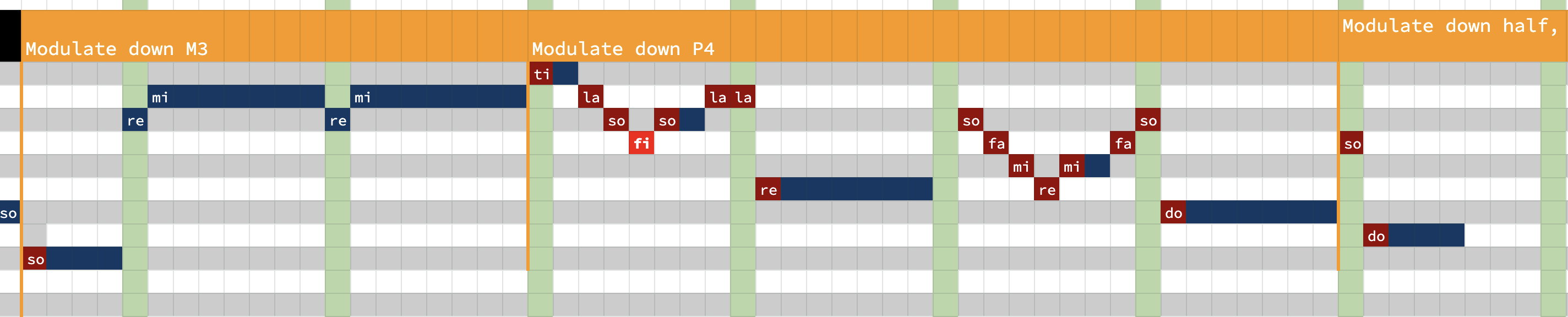
This might not seem like a big deal if we’re comparing " so so la so do ti" with " five five six five one seven" but say if we were doing something like the last few bars of a melody like “straight no chaser”:
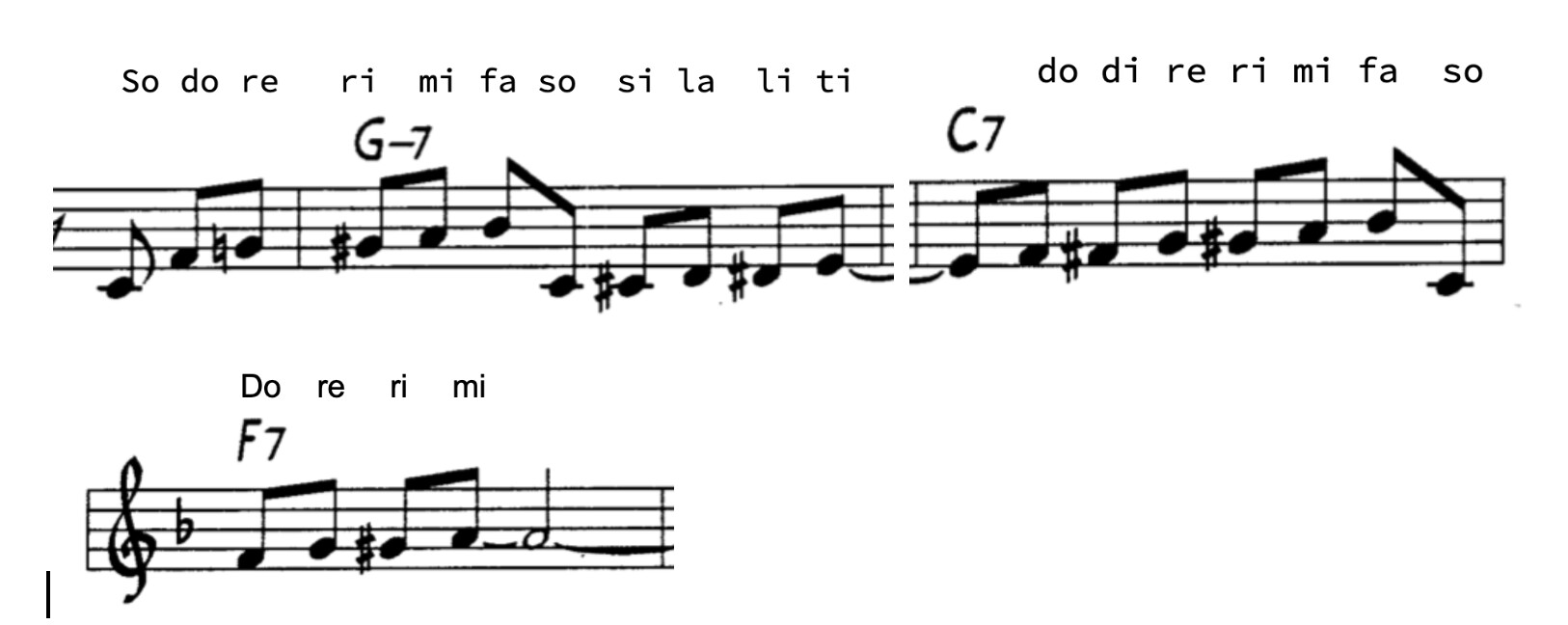
It’s not too hard to sing those ‘lyrics’ for that melody (albeit at a slower tempo) but if it were “five one two sharp two three four five sharp five six sharp six seven one sharp one” etc it’s just literally impossible because “sharp six” is two beats; we basically have to sing a different melody to make the numbers work.
For getting the hang of the basic difference in sound between a fifth and a seventh, I think numbers are fine; to internalize more difficult structures and melodies - and to problem solve ear training difficulties or sticking points, I think the solfege is superior.
Asterisk though: Obviously time spent on a numbers system, or time spent just using “la la la” for everything, is infinitely better than not working on these skills at all. I’m just speaking to the comparison.


 My stance is with only 24 hours in a day, I have to be really choosy about what I spend my time on. Finding something with direct application to a real world scenario is always what I aim for.