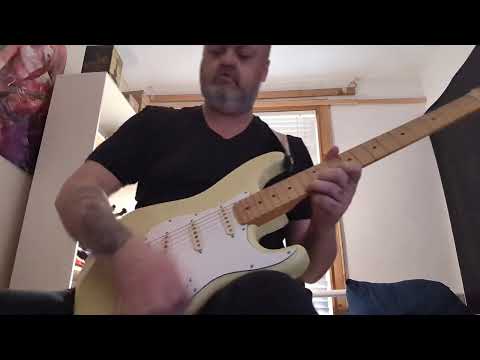
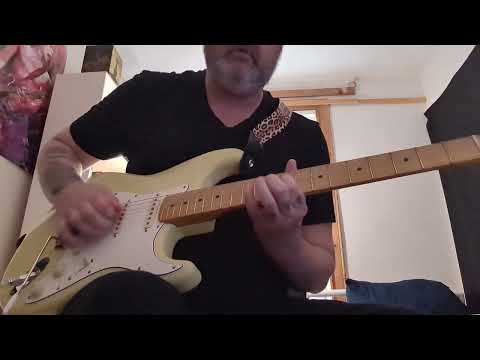
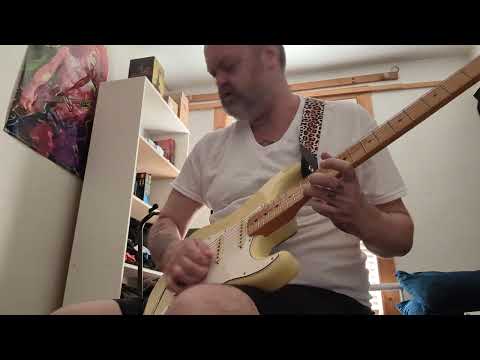
I was in a very similar position. I liked DSX, but was curious about USX and wanted to see if I could make it work equally well. After all, Troy seems fantastic at both in his videos.
I’m now in a position where I only practice USX, and feel I have taken it further than where my DSX was. Initially, USX felt difficult and awkward and I wasn’t getting results. The reason was that while my DSX was nicely pronated and a good reverse dart thrower motion (RDT), my USX at the time was more like pure deviation and not comparable. By changing my right hand into a supinated dart-thrower (DT) angle and resting my pinky on the body as a support (like the kickstand on a motorcycle), I was able to begin tremolo picking at speeds that began to match (then later exceed) my DSX. After a while, I was able to replicate that into patterns that crossed strings, and I didn’t look back. But this will not be something that clicks after 5 minutes if you have spent significant time practicing DSX. You need to give it some time for adaptation.
Some thoughts on the idea that USX and DSX are identical other than being mirror images of each other :
- DSX often means starting on an upstroke. I spent a good amount of time on this, but it never felt natural to me.
- DSX pronation always tempted me to elbow pick to reach my fastest speeds. Great fun, but it always ended up in something like Tendonitis near the elbow joint for me. Each bout took longer to recover. Perhaps that’s just my body, but it wasn’t worth it.
- With DSX I felt that playing the lowest strings meant my palm heel needed to slip down from resting on the strings or bridge to resting on the body to avoid muting the string I was trying to play. Also unnatural to me, as it becomes no longer an XY thing. There is a Z dimension as my Floyd bridge is considerably higher than the plane of the body.
- Less pattern adaptation. There’s plenty of existing YJM/EJ type USX vocabulary you can tap into.
- Having said all this, muting lower strings seems harder for me with USX. I think DT supination means less heel skin surface area available to mute lower strings, but I am happy with the progress I am making on this.
This is probably different to most responses you will get, but at least you have a different data point to consider. I wanted to offer it because I think I faced exactly the same challenges you did (and fixed it with a more supinated motion stabilised with a light-touch movable pinky anchor).