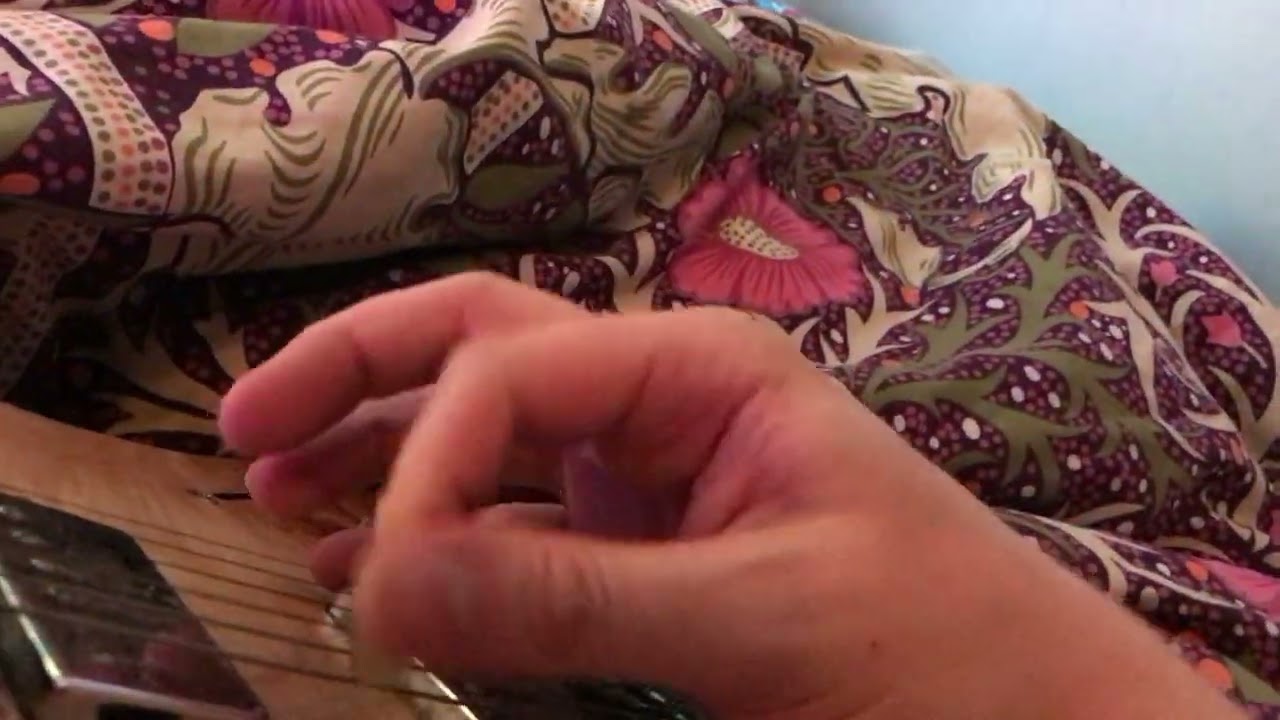
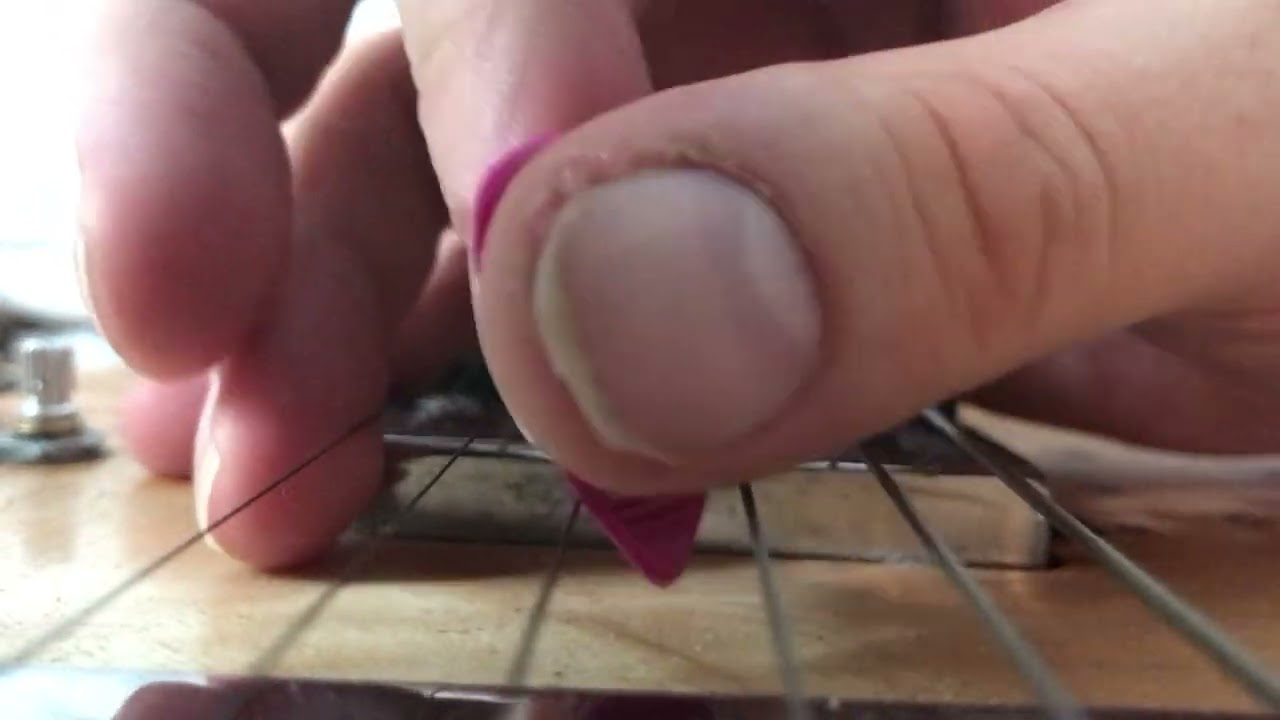
Whenever I play a Strat (and both my guitars are Strats), I don’t rest my right hand on the bridge, like so many people do. Most every video I have seen shows the player resting his right hand on the bridge.
That seems really unnatural to me.
When I play a Strat, my right hand and wrist floats over the strings around where the middle pickup is. This is how I have been doing it for decades.
The only thing that I see that would be an advantage of resting the hand on the bridge is for muting the strings better.
I hope that my floating hand - arm technique is not going to hinder my playing.
When I play a Les Paul however, I do rest my hand on the bridge. But that is a totally different guitar.
resting your palm on the bridge gives a lot of leveradge to play fast, but if you’re naturally floating I wouldnt change anything, thats a great techniqe to do almost anything.
Do you use your fingers at all on the high e or body?
A lot of us fans of heavier styles learned to play this way as it makes going from palm muting to open effortless. At least that’s been my experience. Especially when I started mixing the things I’d learned from thrash with the walls of noise of black metal.
Gibson and Fender bridges have different string approach angles.
Side-on, a Fender’s string path is nearly parallel to the body. On Gibsons, the strings angle away from body, with the peak at the bridge/saddles.
Rather than analyzing things, I try to alternate what I practice on. A Strat and Tele are both Fenders, but the different bridges and forearm, belly cuts vs no forearm, belly cuts mean your arm is in a different place. Gibsons are another switch with the strings farther from the body and various body shapes.
My low-tech solution is to alternate practicing/playing the same things on both. It takes a little while, but you’ll adapt without any real conscious thought. Focus on the exercise and your body/arm will sort out where it needs to be.